
The Lifecycle of a Mentoring Relationship
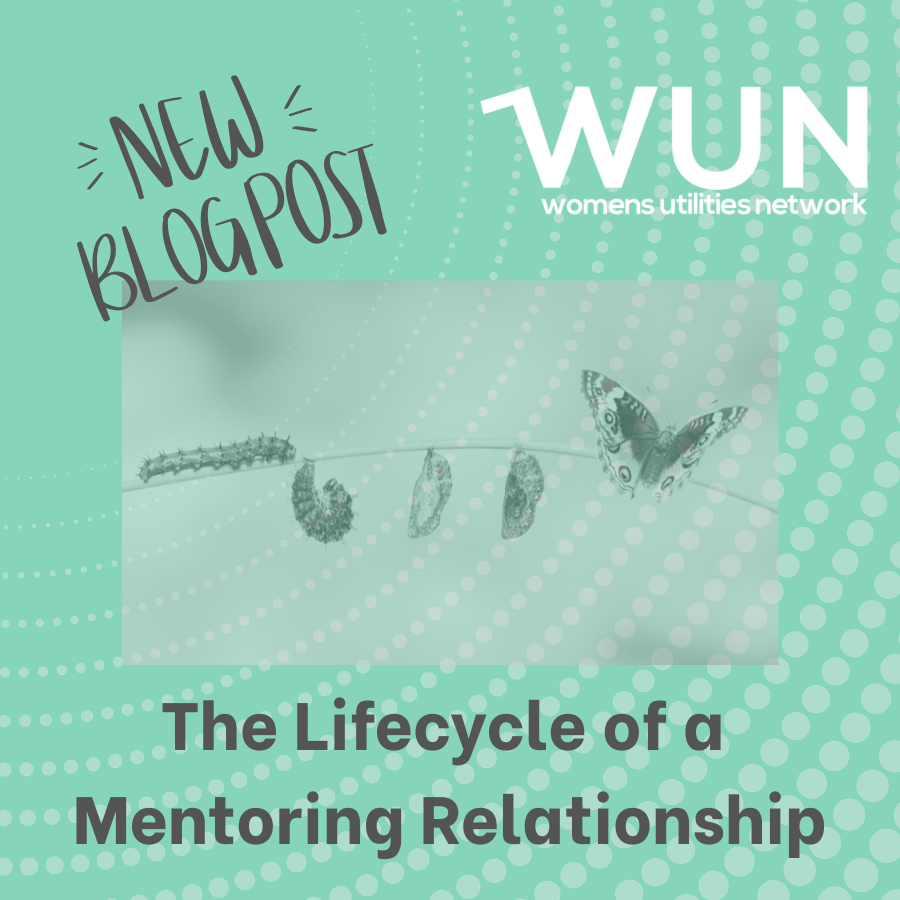
A mentoring relationship rarely stays the same from start to finish. Like any meaningful connection, it grows, shifts and eventually changes shape. Understanding that natural rhythm can help mentors and mentees get the most out of their time together.
One of the best-known frameworks comes from Kathy Kram, a prominent organisational behaviour scholar and the R.C. Shipley Professor in Management, Emerita, at the Questrom School of Business at Boston University – and often called the ‘matriarch of mentorship’. Her 1983 study of workplace mentoring identified four phases in a mentoring relationship: initiation, cultivation, separation and redefinition. Others have since offered similar stage models, including British author, entrepreneur and academic, David Clutterbuck, who is fondly known as the ‘father of modern mentorship in Europe’. So, if the mother and father of mentorship have developed similar models of the mentoring relationship, it must stand up to scrutiny! The core message is the same, regardless of whose mentoring theories you study – mentoring is a journey, not a one-off event.
- Getting started (initiation): The early months are all about getting to know each other. Kram found this phase can typically last from six months to a year, and it’s where trust is built. Conversations might feel a little tentative at first – that’s perfectly normal. Use this time to share expectations, agree how often you’ll meet and talk honestly about what you each hope to gain. Clutterbuck calls this ‘rapport building’, and it lays the foundation for everything that follows. It’s worth noting that Clutterbuck’s ‘developmental mentoring’ approach places the mentee firmly in the driving seat – suggesting topics, coming prepared, following up on agreed actions and being honest about what is and isn’t working. The mentor is there to guide, but the journey is ultimately the mentee’s and it is for them to steer it.
- Growing together (cultivation): Once trust is in place, the relationship really hits its stride. Kram described two kinds of support that flourish here: career functions, such as coaching, sponsorship and challenging assignments, and psychosocial functions, such as encouragement, role modelling and even friendship. The mentee grows in confidence and skill, while the mentor often enjoys a renewed sense of purpose. A meta-analysis by Allen and colleagues in 2004 linked mentoring with greater career satisfaction and commitment, so this is where much of the value is created.
- Letting go (separation): Sooner or later, the mentee starts to need less guidance. This might follow a promotion, a job move or simply reaching the goals you set together. Kram noted that separation can stir up mixed feelings on both sides – pride, relief, even a touch of loss. The trick is to acknowledge it openly. A planned “wind-down” conversation to celebrate progress and reflect on lessons learned helps everyone move on well.
- A new kind of connection (redefinition): Many mentoring relationships don’t so much end as evolve. In this final phase, mentor and mentee often become peers, colleagues or friends on a more equal footing. You might still swap advice now and then, but the dynamic is lighter and more mutual – and sometimes the former mentee becomes a valuable source of fresh perspective for the mentor.
Whatever stage you’re in, a few simple habits help: be clear about your goals, check in regularly on how the relationship itself is going, and don’t be shy about discussing endings early on. Recognising that each phase has its own purpose takes the pressure off – a mentoring relationship doesn’t need to last forever to be worthwhile. So, whether you’re just starting out or saying goodbye, enjoy the journey. Some of the best professional relationships begin with a cup of coffee and a shared curiosity about what comes next.
If you would like to become A WUN mentor, whatever your career stage you will have something to offer or indeed want to become a WUN mentee…