
National Allyship Summit
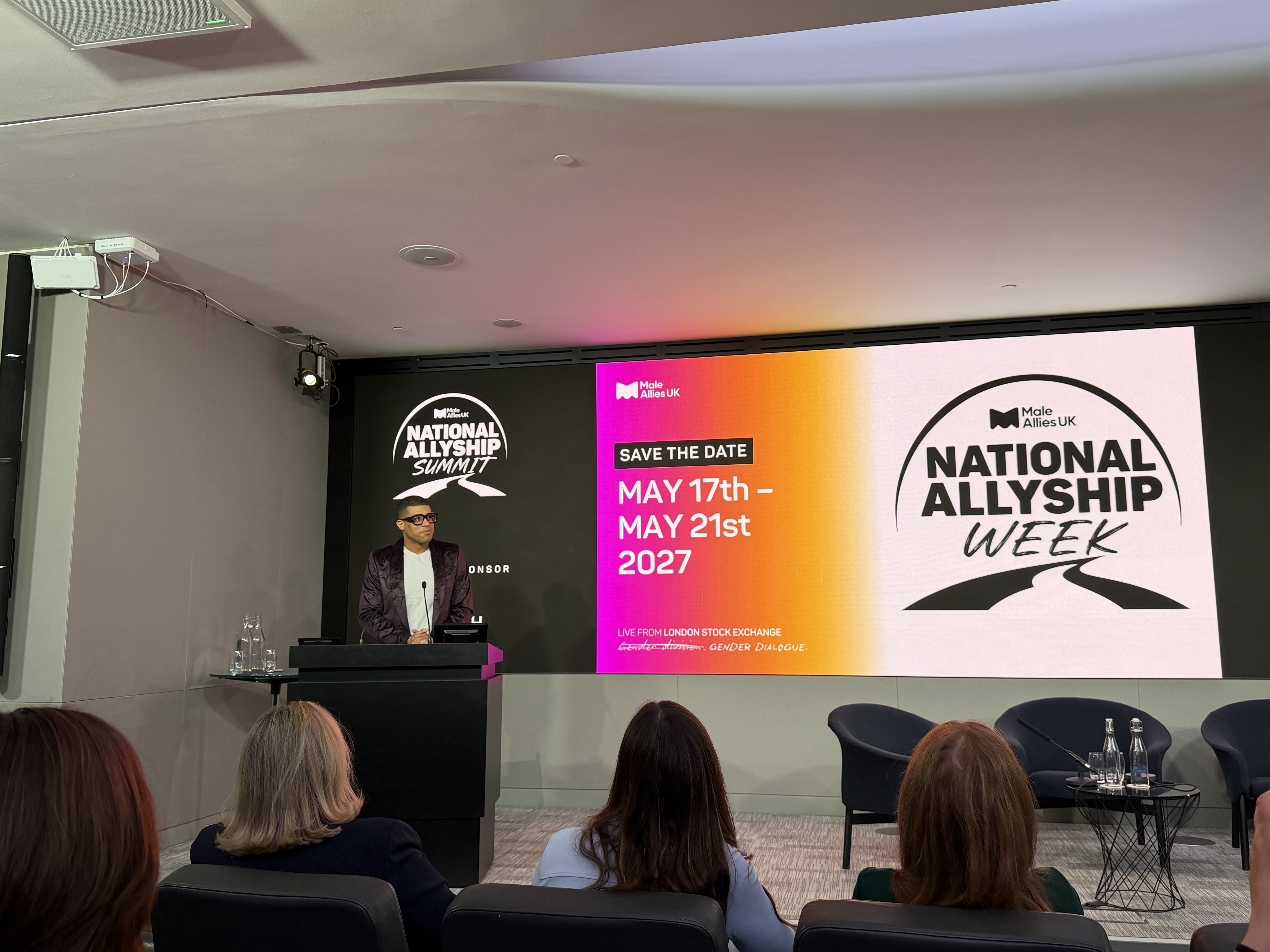
National Allyship Summit: Turning Insight into Action
By Julia Stichling, WUN advocate.
Last week, I attended the National Allyship Summit, hosted by Male Allies UK’s CEO and founder Lee Chambers at the London Stock Exchange. I was there representing the Womens Utilities Network, who are proud to partner with Male Allies UK, alongside leaders and organisations committed to advancing gender equality.
The focus of the day was clear:
what’s already working in allyship – and what still needs to change.
The Reality: A £113,000 Gender Pension Gap
One of the most impactful parts of the day was the keynote by Susan Hope (Scottish Widows), which brought into sharp focus the scale of inequality – not just today, but across a lifetime.
Key facts:
• The UK gender pension gap is £113,000
• Women’s projected retirement income is 32% lower than men’s
• Average retirement income:
o Women: ~£13,000 per year
o Men: ~£19,000 per year
• Only 24% of women are on track for a comfortable retirement vs 36% of men
These figures highlight a critical reality:
The pension gap is not the starting point – it is the outcome of inequality over time.
What’s Driving the Gap?
The summit reinforced that this gap is driven by a combination of structural factors:
• The gender pay gap
• Career breaks, particularly for childcare
• Unequal access to progression opportunities
• Differences in financial planning and awareness
Put simply: inequality accumulates – from hiring decisions, to promotions, to pay, and ultimately to retirement outcomes.
What Needs to Change
Across the discussions, a few clear priorities emerged:
1. Fix the System, Not the Symptoms. Closing the pension gap requires earlier intervention:
• Equal parental leave uptake
• Ongoing pension contributions during leave
• Fair access to high-impact roles
2. Move from Mentorship to Sponsorship: Support alone is not enough – organisations need to:
• Actively advocate for talent
• Open doors and create opportunities
3. Make Allyship Measurable: Allyship must move beyond intent and become:
• Defined
• Tracked
• Linked to performance and progression
4. Use Data to Drive Action
The message was consistent: What gets measured gets done.
Organisations need to track:
• Pay gaps
• Promotion pipelines
• Long-term financial outcomes
5. Focus on What Matters Most
Rather than launching multiple initiatives:
• Prioritise a few high-impact actions
• Deliver them consistently
The Bigger Insight
The summit made one thing very clear:
We don’t have an awareness problem – we have an execution problem.
There is broad agreement on what drives inequality.
The challenge now is embedding change into systems, behaviours, and leadership accountability.
Final Reflection
The National Allyship Summit was not about starting new conversations – it was about accelerating progress.
The combination of:
• Clear data
• Real-world examples
• Honest discussions about barriers
showed that the path forward is already understood.
Moving from intention to impact is where real change happens.